Pelvic Floor Physical Therapy in Nashville
Pelvic floor physical therapy helps address the muscles, joints, breathing patterns, and movement strategies that support the pelvis, core, bladder, bowel, and sexual function.
At Nashville Chiropractic + Sports Therapy, pelvic floor PT is designed for people dealing with pelvic pain, urinary leakage, pressure or heaviness, pregnancy-related changes, postpartum recovery, and return to exercise or running. The goal is to help you understand what is happening, reduce symptoms, and build confidence in how your body moves.
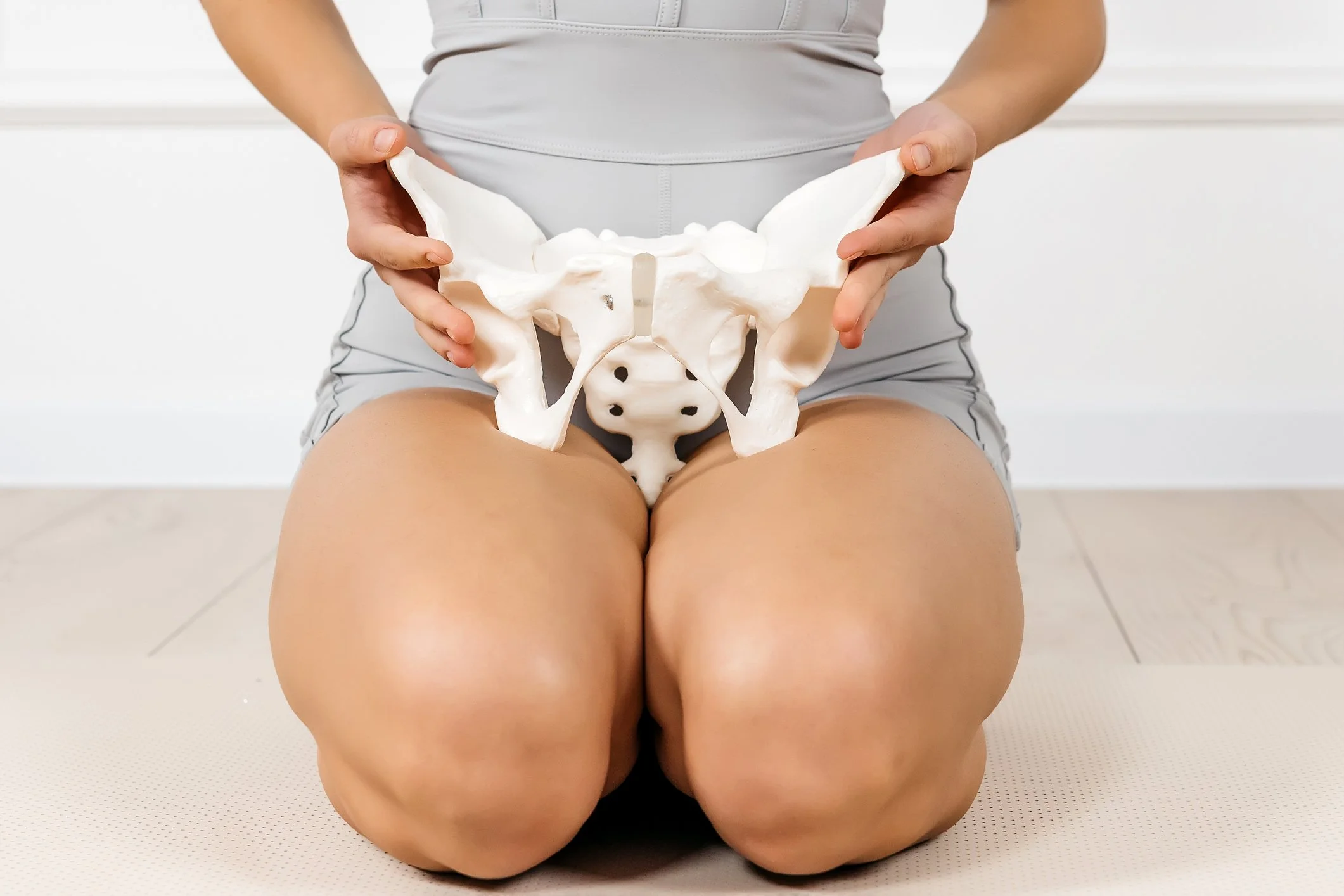
What Is the Pelvic Floor?
The pelvic floor is a group of muscles at the bottom of the pelvis. These muscles are part of your core and help support the bladder, uterus, rectum, hips, spine, and trunk.
Like any other muscle group, the pelvic floor can become weak, overactive, painful, poorly coordinated, or slow to respond. Pelvic floor PT helps determine whether you need more strength, more relaxation, better coordination, or a combination of all three.
Conditions Pelvic Floor PT Can Help With
Pelvic floor physical therapy may help with:
Urinary leakage or urgency
Pelvic pain
Pain with sex
Pelvic organ prolapse symptoms
Diastasis recti
Pregnancy-related pelvic, hip, or low back discomfort
Postpartum recovery
C-section or perineal scar mobility
Return to running, lifting, and exercise after birth
Core weakness or poor pressure management
You do not have to wait until symptoms feel severe to get help. If something feels off, uncomfortable, or limiting, pelvic floor PT can help you understand what is going on and what to do next.
What to Expect
Your first visit includes a conversation about your symptoms, health history, pregnancy or birth history if relevant, activity goals, and what you want to get back to doing.
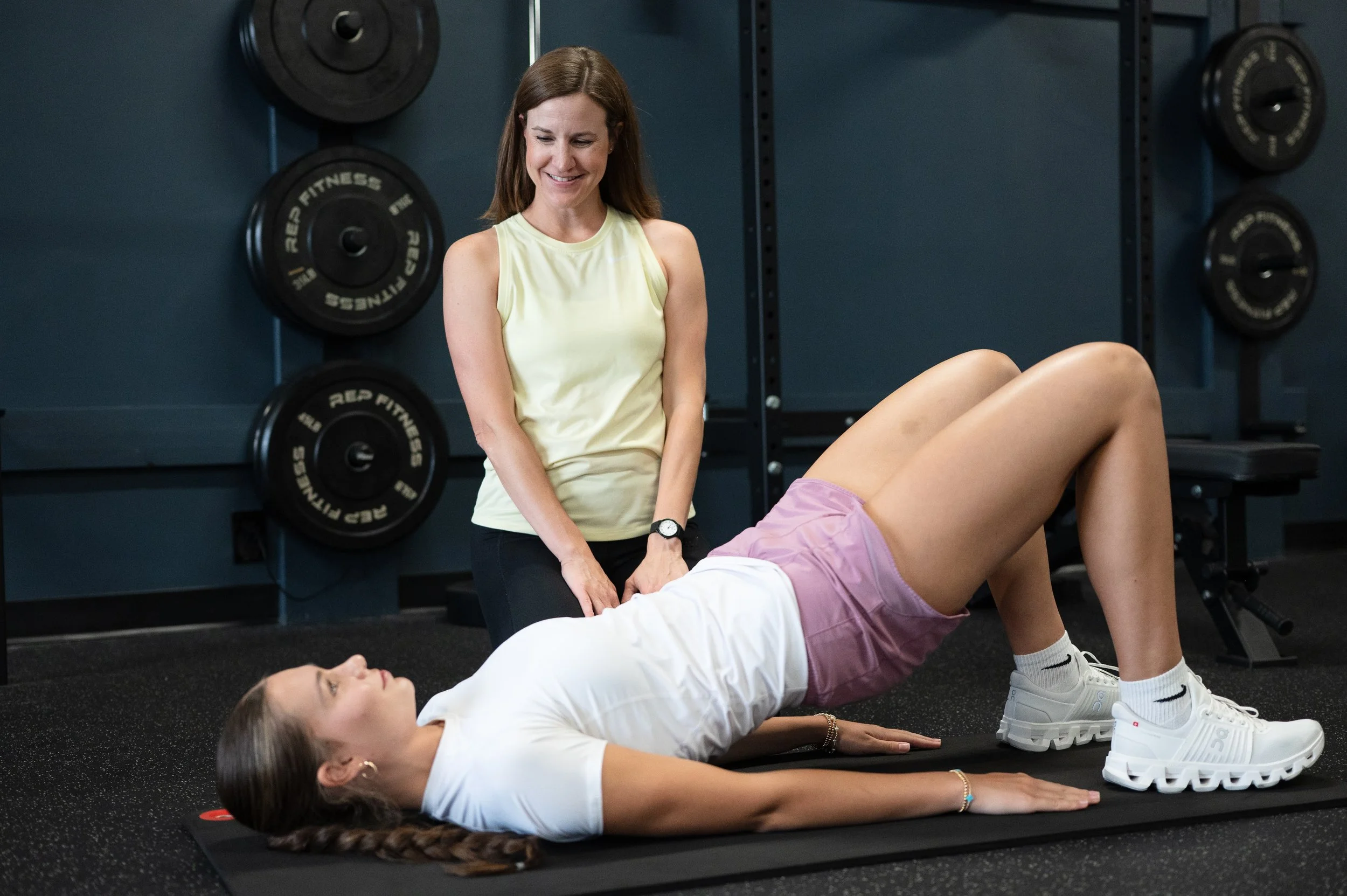
Your physical therapist may assess posture, breathing, core coordination, hip and spine mobility, strength, movement patterns, and pelvic floor function. Treatment may include education, hands-on therapy, breathing work, pelvic floor coordination, progressive strengthening, mobility work, and a return-to-activity plan.
If an internal pelvic floor exam is recommended, your therapist will explain why, what it involves, and what options you have. Not every patient needs an internal exam, and it is only performed with your consent.
Pregnancy & Postpartum Care
Pelvic floor PT can be helpful during pregnancy and after delivery. During pregnancy, treatment may focus on pelvic pressure, hip or low back discomfort, breathing, core coordination, labor preparation, and maintaining comfortable movement.
After birth, pelvic floor PT can help with urinary leakage, pelvic heaviness, pain, scar mobility, diastasis recti, core weakness, and return to exercise. Your plan should match your recovery, delivery history, symptoms, and goals, not a generic timeline.
Return to Exercise & Running
Getting back to running, lifting, classes, or sport after pregnancy or pelvic symptoms should feel progressive and supported. Pelvic floor PT helps assess strength, impact tolerance, core pressure management, and movement mechanics so you can return with more confidence.
The goal is not just to “clear” you for activity. It is to build a plan that helps your body handle the demands of the activity you love.
Frequently Asked Questions
Do I need pelvic floor PT if I only leak a little?
Yes, it can still be worth addressing. Leaking may be common, but that does not mean you have to ignore it. Pelvic floor PT can help identify whether the issue is related to strength, coordination, pressure management, mobility, or tissue sensitivity.
Is pelvic floor PT only for postpartum patients?
No. Pelvic floor PT can help during pregnancy, after birth, and at many other stages of life. It may be useful for pelvic pain, urinary symptoms, painful sex, prolapse symptoms, and return to exercise.
Will I just be told to do Kegels?
Not necessarily. Kegels are not the right answer for every pelvic floor issue. Some people need strengthening, while others need relaxation, coordination, mobility, breathing strategies, or a more complete strength plan.
Do you perform internal pelvic floor exams?
Internal exams may be offered when they are clinically helpful, but they are not required for every patient. Your therapist will explain the purpose, answer your questions, and only proceed with your consent.
Can I start pelvic floor PT while pregnant?
Yes. Pelvic floor PT can be helpful during pregnancy for pelvic discomfort, pressure, breathing, core coordination, and preparation for delivery and postpartum recovery.
When should I start after having a baby?
The right time depends on your delivery, symptoms, healing, and goals. Some patients benefit from early education and gentle guidance, while others begin more active rehab after their postpartum medical follow-up.
Can pelvic floor PT help me return to running?
Yes. A return-to-running plan can assess strength, impact tolerance, symptoms, breathing, and core control so you can build back gradually and confidently.